Seasonal Styling on a Budget: Autumn to Winter Transitions
How to refresh your home seasonally without buying new furniture. We'll cover colour palettes, affordable décor swaps, and ways to make transitions feel intentional and warm.

Why Seasonal Transitions Matter
The shift from autumn to winter doesn't require a complete home makeover. In fact, it's one of the best times to get creative with what you've already got. By swapping out a few key pieces, adjusting your colour palette, and layering textures, you'll create a space that feels fresh without spending much at all.
We're talking about moving those lightweight linen cushions aside, bringing out the chunky knits, and maybe swapping your autumn terracotta tones for deeper jewel colours. The trick is intentionality — making changes that feel deliberate rather than like you just threw things around.
Colour Palettes That Work Year-Round
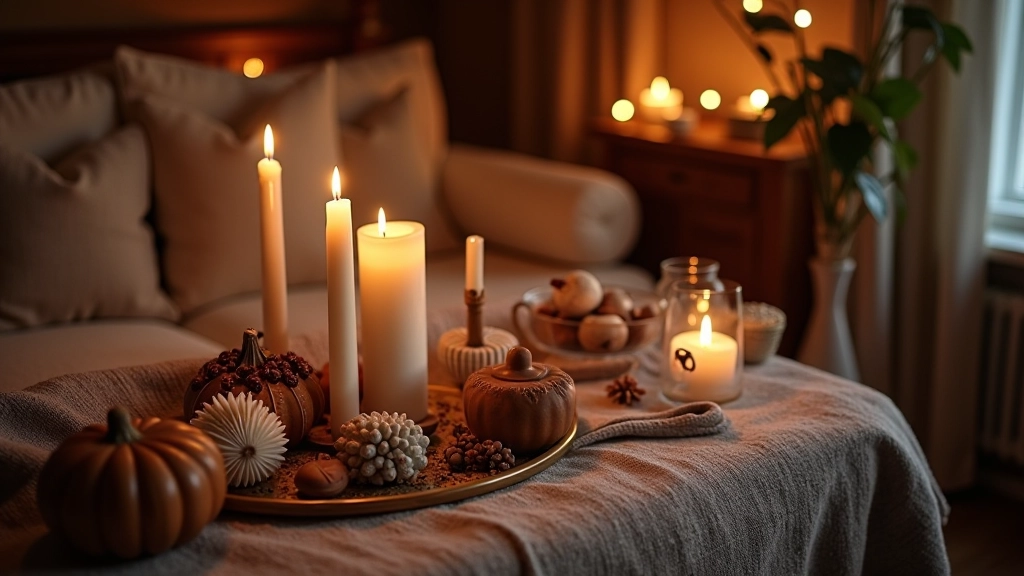
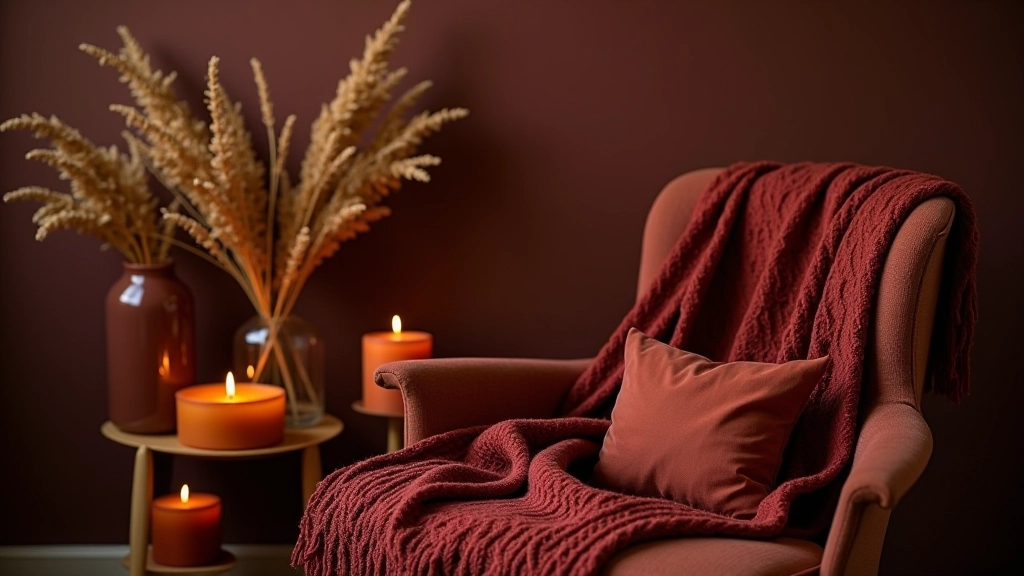
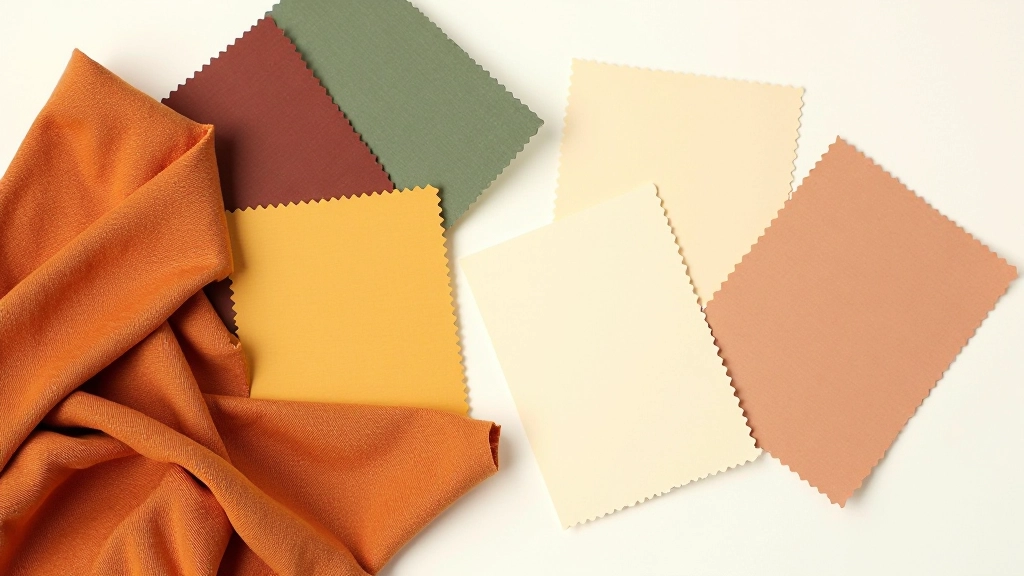
Your autumn palette doesn't have to vanish completely. Instead, you're deepening it. Those burnt orange and mustard tones? They'll sit beautifully alongside deeper maroons, forest greens, and rich chocolate browns. This isn't about throwing out what worked — it's about building on it.
Start by identifying your autumn pieces. If you've got terracotta pots, ochre cushions, or warm-toned artwork, these stay put. Then layer in the winter elements: think deep jewel tones, metallic accents (copper and bronze work brilliantly), and neutrals like cream and taupe. This creates visual depth without clashing. You're essentially creating a colour story that bridges both seasons, so the transition feels natural rather than abrupt.
The key is limiting your palette to five or six main colours maximum. Too many shades competing for attention makes a space feel chaotic. Stick to your autumn foundation, add two to three winter shades, and you've got a cohesive look that'll feel intentional and warm.
Please note: This article provides general styling suggestions for educational purposes. Individual preferences, budgets, and home layouts vary. Always measure your space and consider your own aesthetic before making décor changes. Prices and availability of items mentioned may differ by location and retailer.
Affordable Décor Swaps That Transform
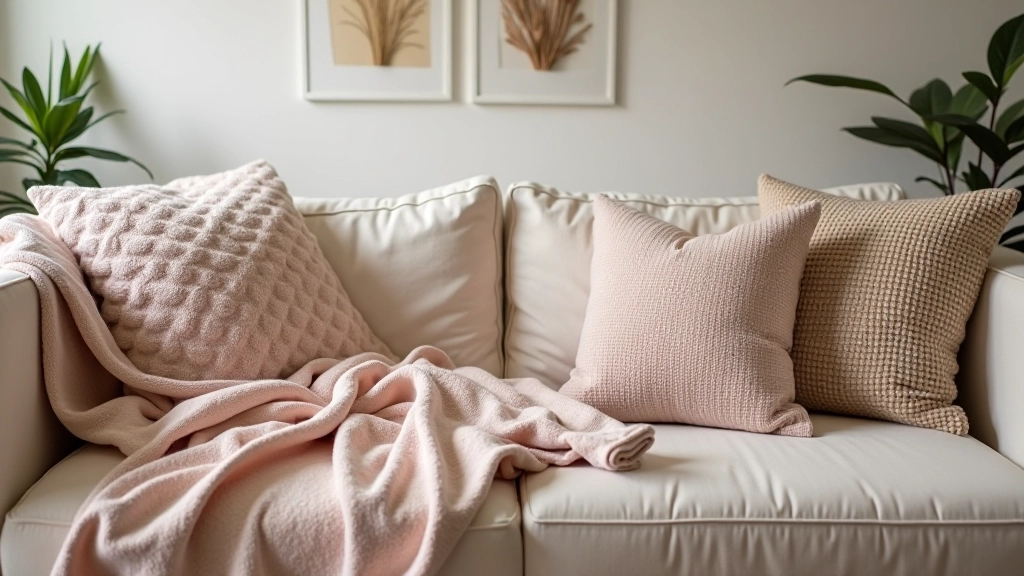
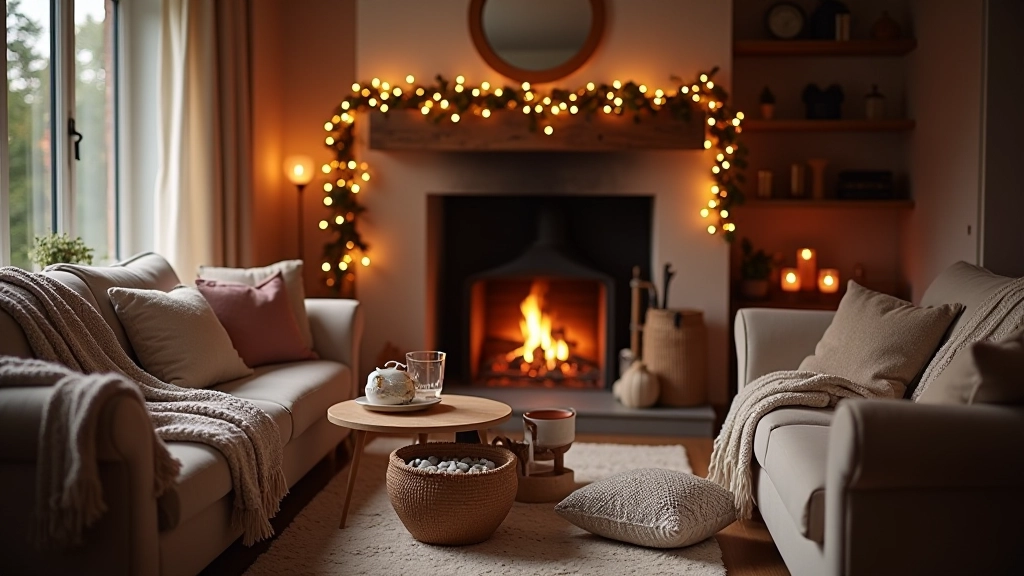
You don't need to buy new items — you need to swap what you've got. This is where it gets really practical. Take your lightweight cotton cushions and swap them for wool or velvet versions (charity shops are gold for this). Move your summer throws to storage and bring out anything chunky and textured. If you've got a knitted blanket hiding in a cupboard, drape it over your sofa. These swaps cost nothing and completely change the vibe.
Wall art and mirrors can shift the mood too. Swap a bright botanical print for something with darker, moodier tones — or simply rotate what you've already hung. It's surprising how much a different arrangement changes the feel of a room. The same applies to your accessories. Autumn candles in spiced scents? Keep them. Winter candles with deeper, woodsy notes? These can live alongside, creating layers of scent throughout your home.
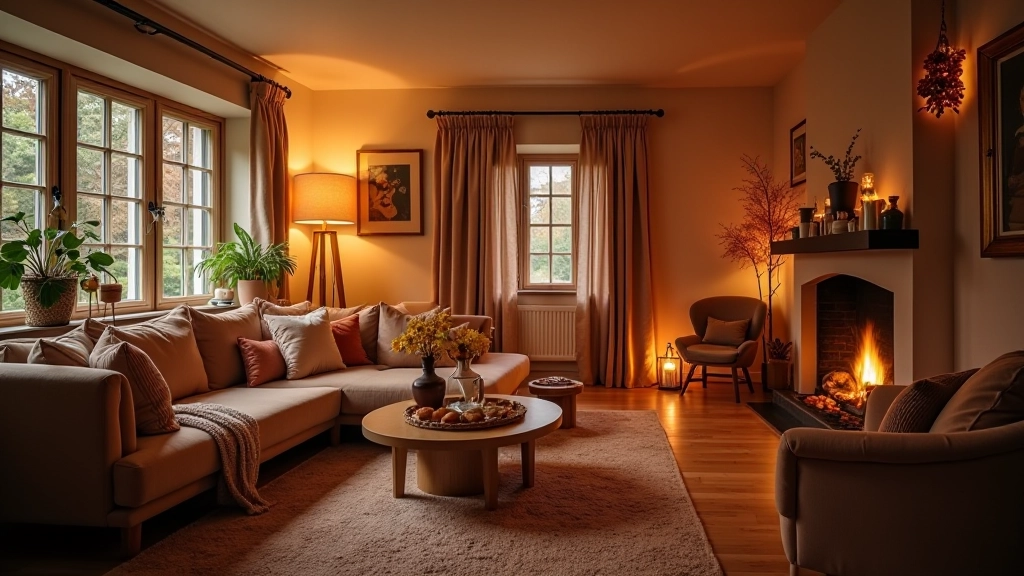
Even lighting matters. Winter demands warmer bulbs and more of them. You'll notice the difference immediately — rooms feel cozier with deeper colour temperature lighting. Most bulbs are affordable, and you're only swapping them out, not replacing entire fixtures.
Layering Textures for Depth and Warmth
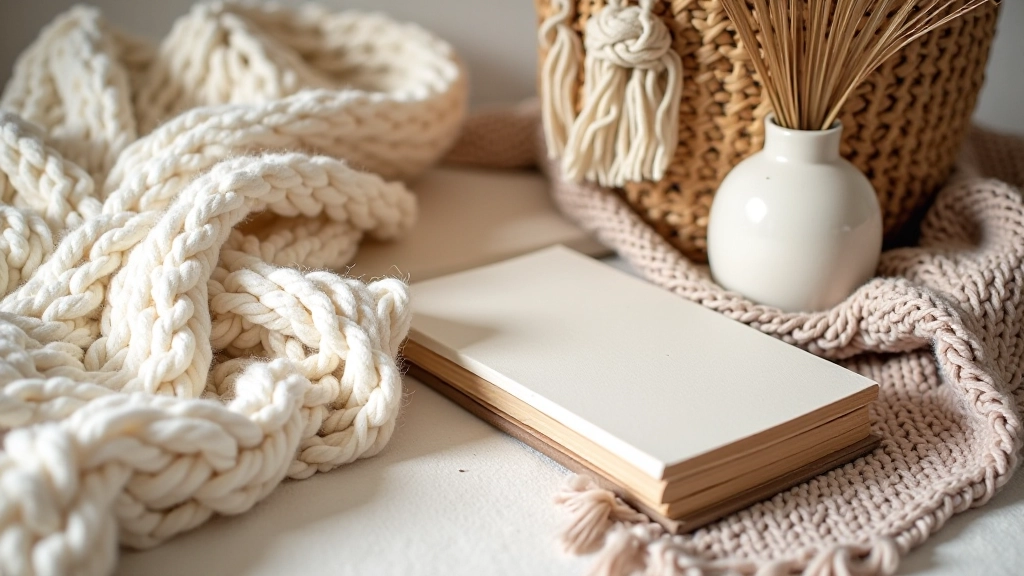
Winter styling lives or dies by texture. You're not just changing colours — you're changing how a room feels to touch and to look at. Smooth linen gives way to rough wool. Thin cotton becomes thick knit. This tactile shift is what makes winter homes feel genuinely cosy rather than just cold.
Layer strategically. One chunky knit throw on a sofa is nice. Three different textures — wool, cable knit, faux fur — arranged together is memorable. On shelves, mix smooth ceramic with woven baskets and stacked books. On beds, start with a cotton base sheet, add a wool blanket, then drape that knit throw at the end. Each layer adds visual interest and actual warmth.
Rugs are your secret weapon here. A layered rug approach (a smaller patterned rug over a larger neutral one) adds dimension instantly. If you're starting fresh, even a cheap sheepskin throw from a high street store transforms how a room feels underfoot and looks visually. The investment is minimal, but the impact is real.
Making the Transition Feel Intentional
The autumn-to-winter transition doesn't happen overnight, and that's the point. You're not redecorating your home — you're evolving it. Spend a weekend moving things around, pulling out storage boxes, and experimenting with new arrangements. Notice what works and what doesn't. The best seasonal styling feels like it happened naturally, not like you read a design manual.
Start small if you're uncertain. Swap one room's textiles and see how it feels. Add one new colour to your existing palette. Light a different candle scent. Small changes add up, and you'll find your confidence grows. By December, you'll have created a genuinely cosy winter home using mostly what you already own — which is exactly the point of styling on a budget.
The goal isn't perfection. It's intentionality. It's noticing the seasons and letting your home respond to them. That's what makes a space feel lived-in and real.