Hygge Basics: Creating That Cozy Feeling at Home
Discover how to bring warmth and comfort into your British home with simple hygge principles. No expensive furniture needed — just smart choices about lighting, textures, and atmosphere.

What Is Hygge, Really?
Hygge isn't complicated. It's a Danish concept that simply means creating an atmosphere of warmth, comfort, and togetherness. Think cosy evenings, good company, and spaces that make you actually want to stay home.
The brilliant thing? You don't need to spend a fortune. We're not talking about designer furniture or renovation budgets. Hygge is about layering textures, choosing the right lighting, and being intentional with what you already have — or what you can find affordably.
For British homes especially, hygge works beautifully. It fits naturally with our love of comfort, tradition, and spending quiet time indoors. You'll find yourself using these principles without even realising it.
The Core Elements of Hygge

Start With These Four Pillars
Lighting
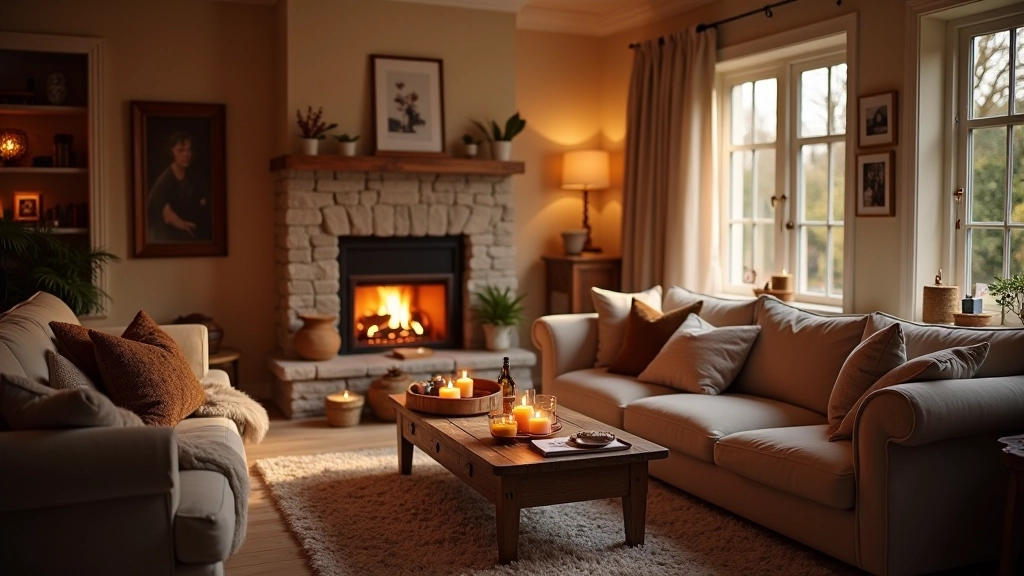
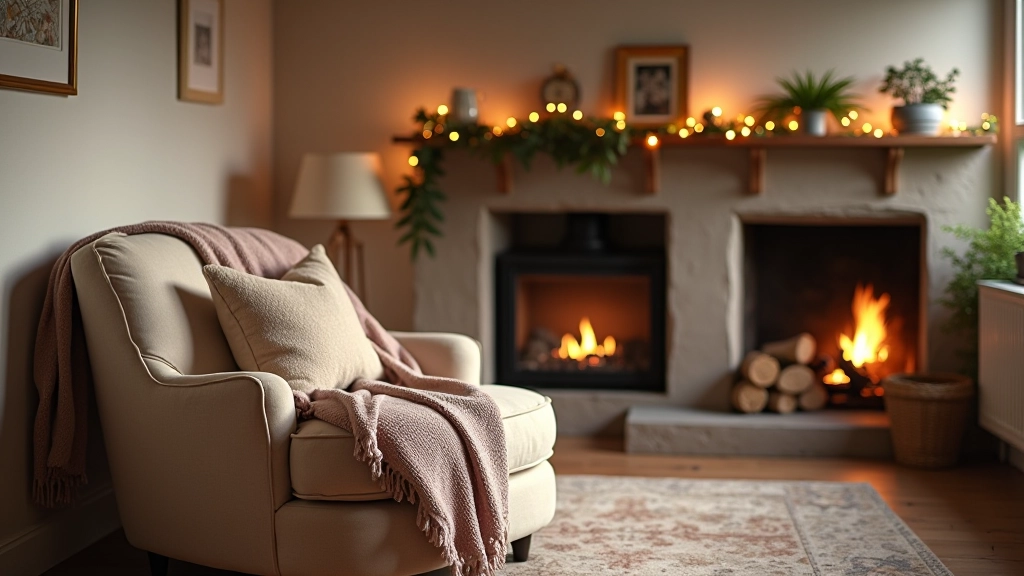
Bright overhead lights aren't hygge. Layer your lighting with table lamps, floor lamps, and candles. Aim for warm-toned bulbs (2700K colour temperature works well). The goal is soft, ambient light that makes you squint less and relax more.
Texture
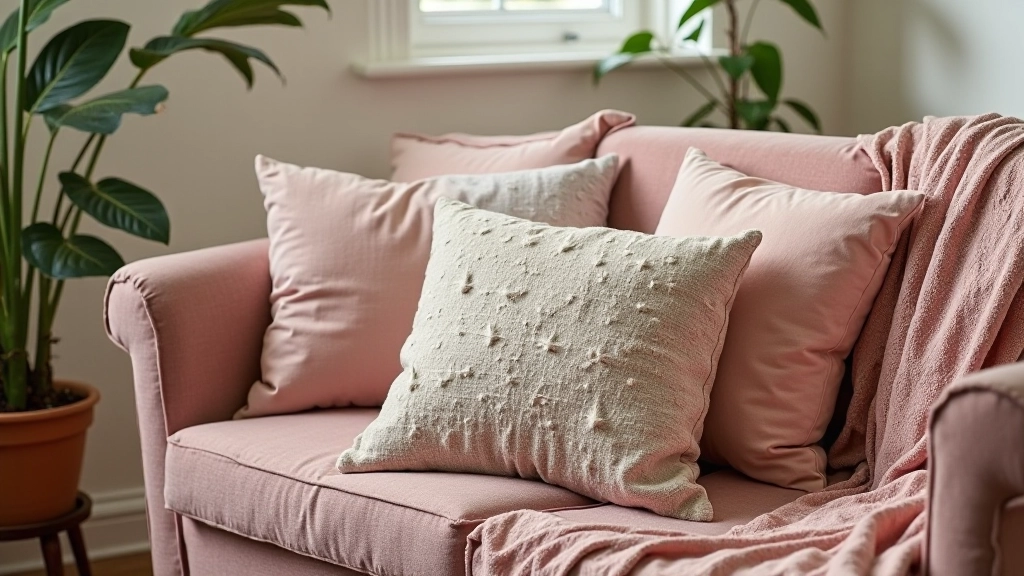
Mix soft materials throughout your space. Knitted throws, velvet cushions, linen curtains, wool rugs. These don't have to match perfectly — a bit of intentional clashing actually looks better. Texture makes rooms feel lived-in and inviting.
Temperature
Physical warmth matters. A warm cup of tea, a heated throw blanket, or even just closing curtains early to keep heat in. It's not just about comfort — it's about the feeling of being looked after.
Simplicity
Don't overcrowd spaces. A few meaningful items beat clutter every time. Choose things you actually use or genuinely love. This isn't minimalism — it's just being selective about what deserves your shelf space.
Note: This article is informational and based on design principles and personal styling practices. Costs, availability, and suitability of products vary by location and individual circumstances. Always check measurements and product reviews before purchasing.
Practical Changes You Can Make Today
You don't need a big plan. Small changes compound quickly.
Start with lighting: If you're renting or can't rewire, plug-in solutions work just fine. One good floor lamp in a corner costs £20-40 and transforms how a room feels at 6pm. Swap out a few ceiling bulbs for warm-toned ones (most supermarkets stock them now).
Add textures gradually: One decent throw blanket draped over a sofa or chair costs £15-30 and instantly makes a space feel warmer. Add cushions as you find them — car boot sales are brilliant for this. You're looking for natural fabrics: cotton, wool, linen. Synthetic fabrics feel colder and shinier.
Create small rituals: Light a candle while you have your evening tea. Actually sit down for 20 minutes without your phone. These tiny moments are what hygge is about. The environment supports the ritual, but the ritual is what you're really building.
The honest truth? You'll spend less money creating hygge than you would on most other home projects. Most of what makes a space feel cosy costs nothing — it's about attention and intention.

Room by Room: Where Hygge Works Best
Focus on These Areas First
Living Room: This is your main hygge canvas. Layered lighting is essential here. Position lamps at different heights — one tall floor lamp, one or two table lamps. Add a large rug to define the seating area and make it feel enclosed and intimate.
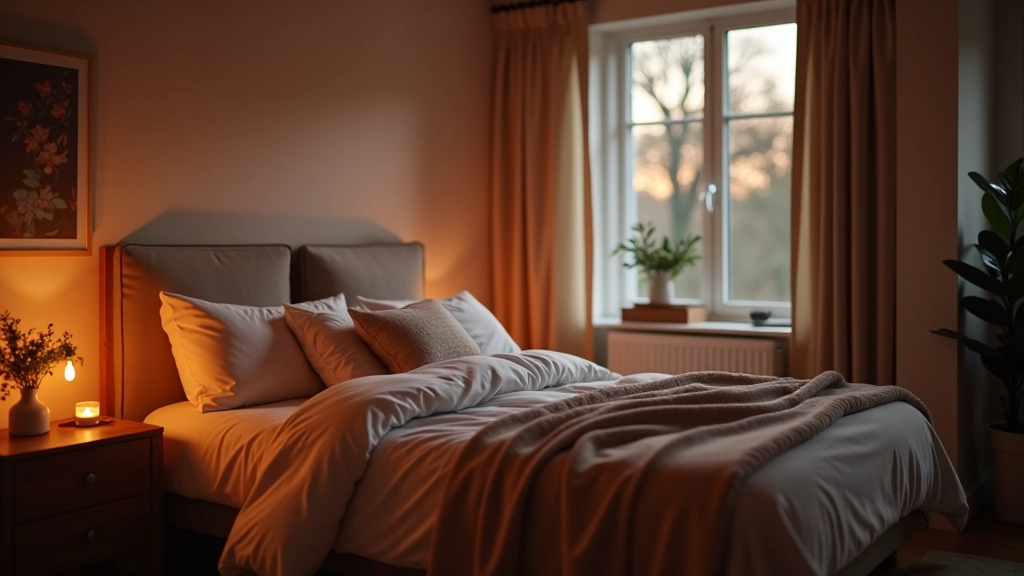
Bedroom: Soft lighting is crucial. Bedside lamps with warm bulbs work better than ceiling lights for creating calm before sleep. Invest in decent bedding — you'll spend a third of your life there. Cotton or linen sheets feel better than polyester and actually get softer with washing.
Kitchen: This is where you make the tea and hot chocolate. Good task lighting over the counter, but softer light for the table. A small vase of fresh flowers or herbs on the windowsill adds life without effort.
Bathrooms often get overlooked, but they're perfect for hygge. A candle, a warm towel, and soft lighting transform a basic wash into a small ritual. Even a small bathroom can feel luxurious with these touches.
Making It Your Own
Hygge isn't about copying a look from Pinterest. It's about creating spaces that genuinely make you feel better. That's different for everyone.
Some people's hygge includes people and noise. Others want quiet solitude. Some love books; others prefer music. The principles stay the same — warmth, comfort, intention — but the details are yours.
Start small. Pick one room. Add warm lighting. Layer in a few textures. Notice how it feels different. Then build from there.
The best part? This approach gets cheaper over time. You're not buying trendy furniture that'll feel dated in three years. You're building layers of comfort that work with what you already have and what you find along the way. That's proper home styling.