

Finding Hidden Gems at UK Car Boot Sales
Learn how to spot quality furniture and vintage décor without overspending. We'll share practical tips for hunting treasures at car boot sales across the UK.


Why Car Boot Sales Are Gold for Home Styling
Car boot sales aren't just about finding bargains—they're treasure hunts. You'll discover vintage pieces, quality furniture, and authentic home décor that you won't find in high street shops. The difference? Uniqueness and value. We're talking original mid-century chairs for £15, genuine wooden side tables for £20, and statement artwork for a fraction of gallery prices.
The real deal is that sellers at car boot sales often want to shift stock quickly. They've cleared out their homes, inherited collections, or run small businesses. This means you'll find honest pricing and genuine pieces. Plus, you can inspect everything in person, negotiate directly, and leave with real finds that tell a story.
What to Look For: Quality Signals
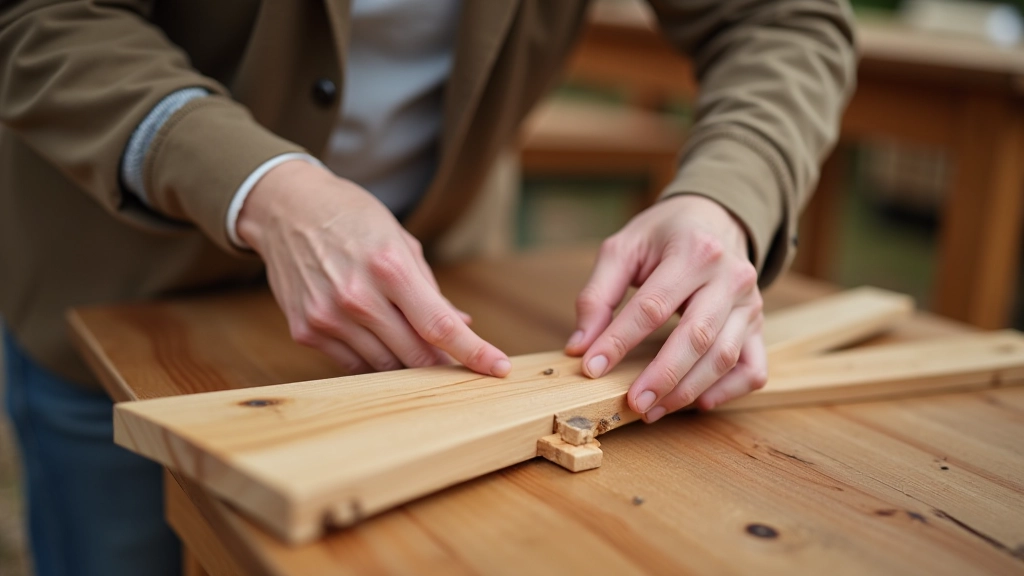
Before you hand over cash, check three key things. First, solid construction. Run your hands over joints—they shouldn't move or creak. Wood should feel substantial, not thin plywood. Pick up smaller pieces and feel the weight. Quality items have heft to them.
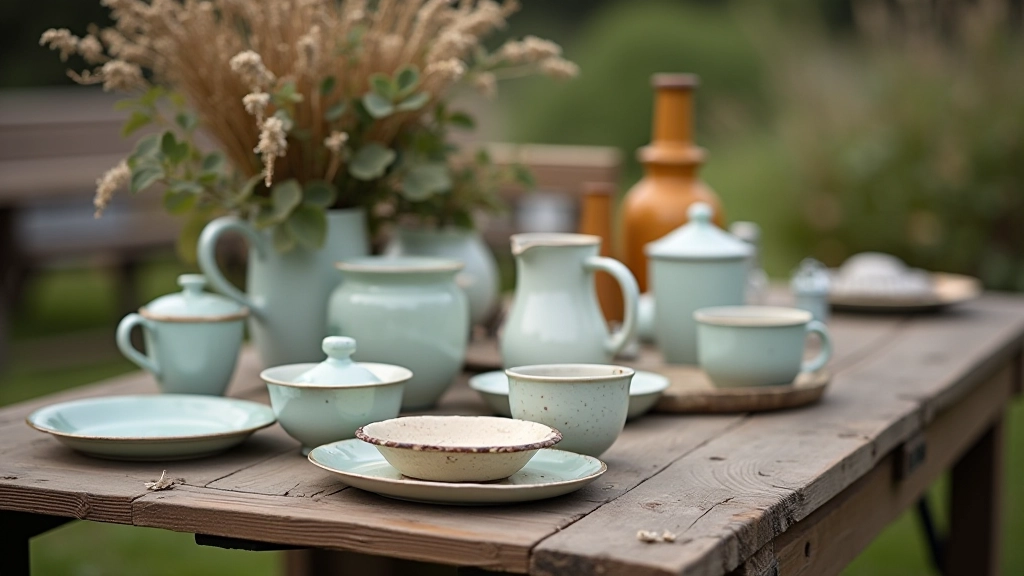
Second, authentic materials matter. Real wood ages beautifully; veneer peeling off is a warning sign. Fabric should be genuine cotton or wool, not synthetic. Vintage ceramics feel smooth, not rough. You'll develop a feel for this quickly once you've handled a few pieces.
Third, check functionality. Can the drawer open smoothly? Do the hinges work? Is the upholstery sound? Minor marks are fine—that's character. But structural damage costs money to fix. Ask yourself: will this still be useful in five years?
The Five-Minute Inspection Rule
Don't rush. Spend at least five minutes with each piece you're considering. Check the back (that's where damage hides). Look underneath. Open drawers fully. Test any moving parts. This quick inspection saves you from costly mistakes and helps you spot real quality from a distance.
Important Note
The advice in this guide is based on practical experience and observation. Antique and vintage items vary greatly—always inspect items thoroughly and ask sellers about their history and condition. If you're purchasing items for specific purposes (like seating), ensure they meet your safety and comfort requirements. When in doubt, it's worth consulting with specialists about restoration or repairs.
Spotting Authentic Vintage vs. Modern Reproductions
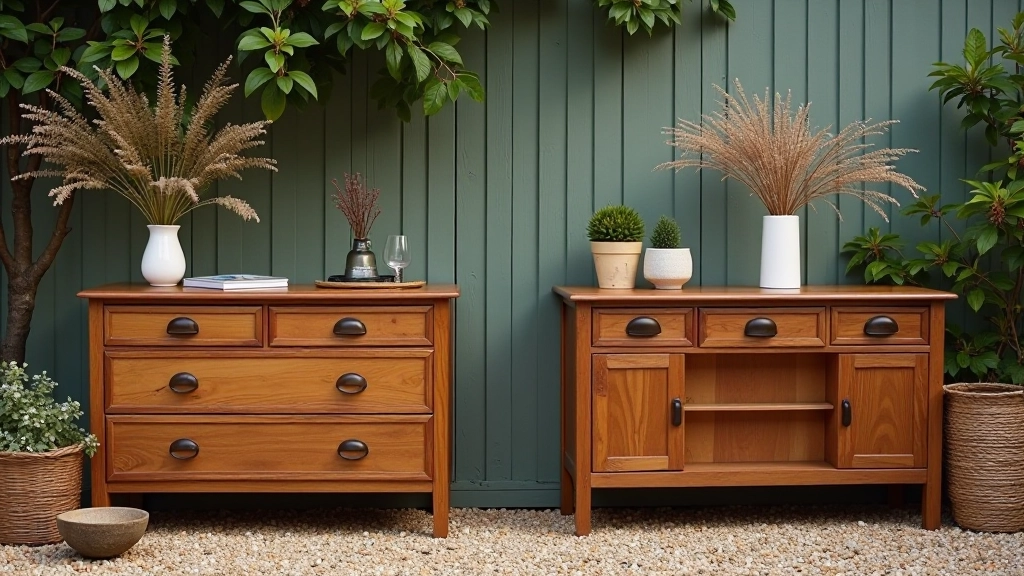
Here's where it gets interesting. Modern reproductions are everywhere now, and they're not always bad—but you shouldn't pay vintage prices for them. Real vintage pieces have patina. That's the natural wear that comes from decades of use. It's not dirt; it's history.
Check underneath furniture for maker's marks or labels. Authentic mid-century pieces often have stamps, numbers, or signatures. Upholstery on genuine vintage will show age patterns—wear in specific spots from use. The fabric won't be pristine unless it's been recently recovered. Ask the seller directly. Most honest sellers know what they're selling and where it came from.
Pricing is a clue too. If a chair that should cost £60-80 is priced at £15, there's probably a reason. Ask why. Sometimes it's just a motivated seller. Sometimes there's damage you haven't spotted yet. Don't ignore your instincts—if something seems too cheap, investigate further.

Smart Negotiation and Transport Tips
Negotiation is part of car boot culture. But be respectful about it. If something's marked at £25, offering £20 is reasonable. Offering £5 for a £25 item isn't. Most sellers have already priced things to move. They're not expecting huge haggling. That said, buying multiple items gives you leverage. Offering £50 for three pieces instead of £20 each often works well.
Transport matters more than people think. Larger pieces need careful handling. Ask the seller if they'll help you load. Don't squeeze a wooden chair into a small hatchback—you'll damage it. If you're buying regularly, consider renting a small van. One £30 van hire beats a £50 damaged piece.
Bring padding, blankets, or bubble wrap. Take photos before you leave—documentation helps if something arrives damaged and you need to discuss it with the seller later. Arrive early if possible. The best finds go in the first hour. Bring cash (most sellers prefer it), water, and wear comfortable shoes. You'll be standing and walking for hours.
Quick Tips You'll Actually Use
Plan Your Route
Check which sales are on your weekend. Drive or map out the nearest ones. Some areas have multiple sales on the same morning—visit 3-4 in succession to compare stock and prices.
Know Your Space
Measure your rooms beforehand. A stunning sofa is useless if it won't fit through your door. Jot down dimensions on your phone so you can make instant decisions without second-guessing later.
Trust Your Eye
If you love it, and the price feels right, don't overthink. Some of the best finds come from pieces that catch your eye immediately. Your instinct about style and quality usually wins.
Check Online First
Many sellers post photos of their stock before the sale. Browse listings and note what appeals to you. You'll know what to look for when you arrive, saving time and preventing impulse buys.
Your Next Car Boot Adventure
Car boot sales reward patience, curiosity, and a good eye. You won't find exactly what you're looking for every time—that's the adventure. But you'll discover pieces with character, history, and genuine value. You'll meet sellers with stories. You'll build a home that's uniquely yours, piece by piece.
Start small if you're new to this. Visit one sale, explore without pressure to buy, and get a feel for pricing and quality. Once you've handled a few pieces, you'll develop confidence. Within a few months, you'll be the one spotting treasures that others walk past.
The best part? Every piece you find has a story. And that's something you won't get from any shop.